
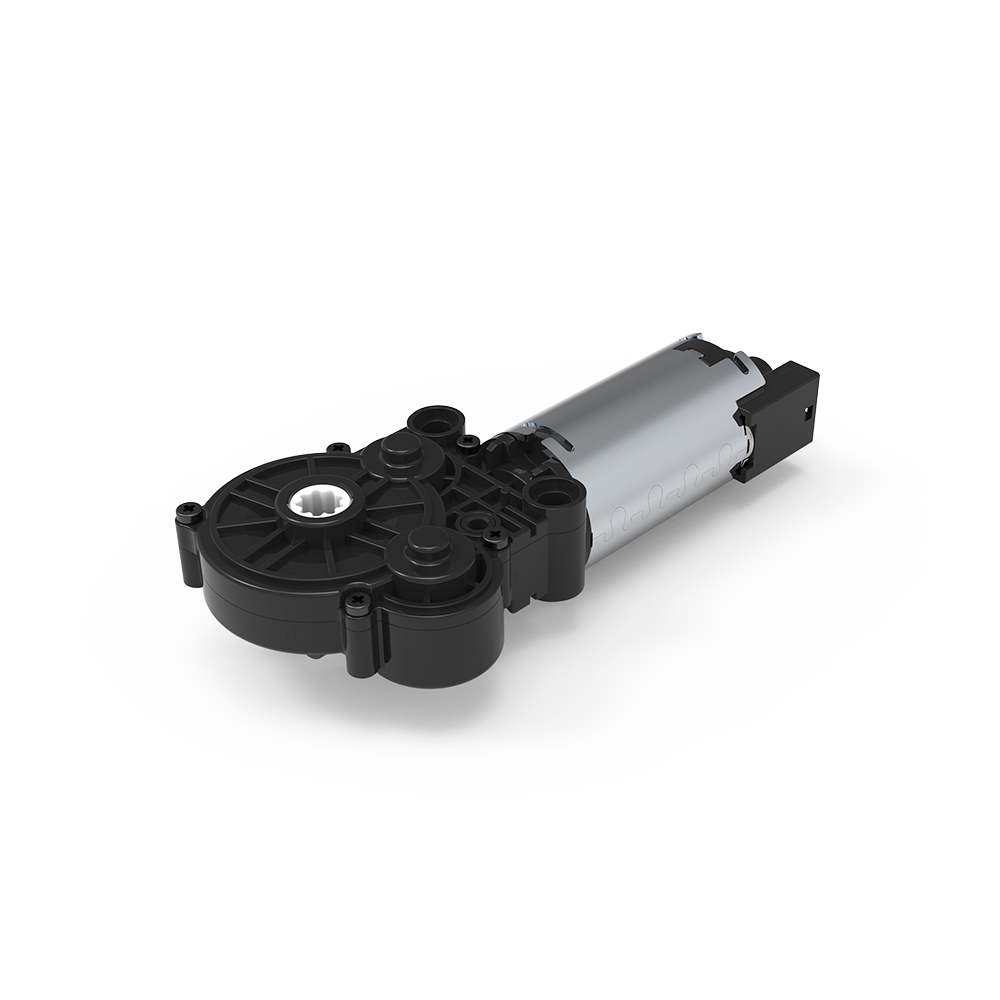
Verifying the functionality of a power seat assembly requires a structured approach to isolate the core component. This procedure outlines the steps to evaluate a car seat motor effectively. For automotive parts suppliers and service centers, this method ensures accurate diagnosis before recommending replacement units from a producer like Power Motor, a specialist in power seat motors.
Electrical Input Verification
The initial phase involves confirming the motor is receiving adequate electrical supply. Using a digital multimeter, technicians should probe the motor’s connector terminals while activating the seat switch. A reading of 12 volts DC indicates the circuit is functional, shifting focus to the motor itself. The absence of voltage necessitates upstream checks for switch or wiring faults.
Direct Power Application
If the electrical circuit is sound, the next step is to apply power directly to the car seat motor. This bypasses the vehicle’s switchgear. Using fused jumper wires from the battery to the motor terminals will elicit a response. A functioning motor will actuate the drive mechanism. This test conclusively identifies whether the power seat motors are operational or have failed.
Load and Performance Assessment
A motor that operates under direct power but fails under load within the seat mechanism may have insufficient torque or worn internal components. Observing the motor’s performance—listening for straining sounds and noting slow movement—provides data on its condition. This assessment helps distinguish between a faulty motor and a separate mechanical obstruction in the drive system.
This systematic elimination process confirms the status of the car seat motor. For inventory and supply chain partners, understanding this test protocol supports accurate ordering and reinforces the value of sourcing reliable power seat motors from Power Motor, designed for consistent performance and durability.