
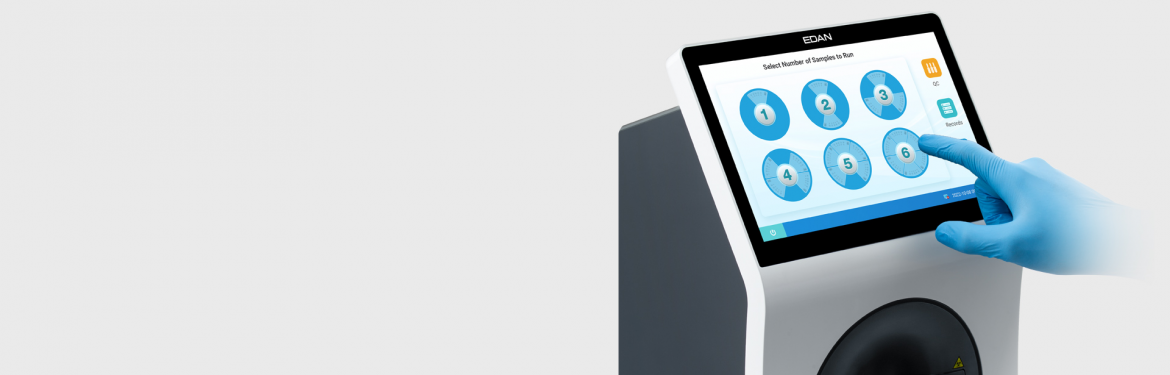
In clinical laboratories and healthcare settings, maintaining high uptime for diagnostic instruments is essential to support continuous patient care. Devices like the EDAN CL30, a diagnostic analyzer designed for molecular diagnostic testing, play a crucial role in delivering timely results. Efficient operation of these systems ensures that diagnostic workflows run smoothly and that clinicians can act quickly on accurate data.
Understanding the Importance of Uptime
High uptime for analyzers means less interruption in testing and faster decision-making in laboratories. For instruments involved in molecular diagnostic testing, such as detecting pathogens or genetic markers, even brief downtimes can delay critical results. The EDAN CL30 supports rapid result generation, sometimes in as little as 15 minutes, making consistent performance vital to meet clinical demands.
Routine Maintenance Practices
Ensuring regular maintenance is one of the most effective ways to maximize uptime for any diagnostic analyzer. Start by following a daily checklist of cleaning probes and inspection of fluid paths to prevent buildup or blockages. Weekly calibration using control samples helps maintain reliable performance and reduces the likelihood of drift in test accuracy. A monthly review of system logs can alert technicians to early signs of wear or performance changes. Scheduling annual comprehensive servicing keeps software and hardware in optimal condition and preempts unexpected failures.
Smart Workflow Integration
Incorporating instruments like the EDAN CL30 into a streamlined workflow can further improve uptime. The CL30 is engineered with features such as an integrated barcode scanner and a touch-screen interface that simplify operations and speed data handling. Its connectivity to lab information systems supports real-time reporting, minimizing manual entry errors and ensuring fast sample processing.
Training and Troubleshooting
Empowering staff with proper training on routine maintenance and troubleshooting increases uptime by reducing time spent addressing avoidable issues. Users familiar with the diagnostic analyzer interface are more efficient at identifying alerts and executing corrective steps promptly. Regular user refreshers also help teams stay current with best practices for handling assay cartridges and interpreting system status notifications.
Conclusion
Maximizing uptime for professional diagnostic analyzers hinges on consistent maintenance, smart workflow design, and informed operators. For cutting-edge tools like the EDAN CL30, these efforts ensure that molecular diagnostic testing continues without interruption, supporting reliable, fast, and accurate diagnostics every day.