
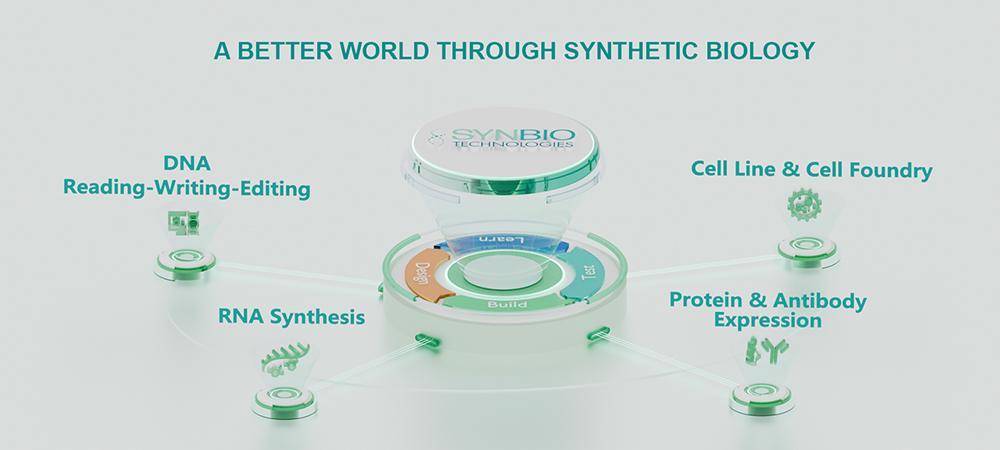
The field of industrial biotechnology is evolving rapidly, and Synbio Technologies as a leading Synthetic Biology Company is at the forefront of these changes. They provide integrated solutions that cover the entire DNA lifecycle: design, build, test, and learn. By leveraging these capabilities, researchers and scientists in areas such as gene therapy, biopharmaceutical development, industrial enzyme production, and academic research can achieve more precise and efficient experimental outcomes. Their approach enhances productivity while maintaining stringent quality standards. In addition, they offer flexible workflows that allow for customization based on specific project needs, enabling teams to accelerate innovation while reducing resource usage and minimizing experimental bottlenecks.
Integration of Advanced Tools and Automation
Modern industrial biotechnology relies heavily on automation and advanced analytical tools. Synbio Technologies implements cutting-edge platforms that allow for seamless workflow in biotechnology and synthetic biology applications. By incorporating robotics, high-throughput screening, cloud-based data analytics, and AI-assisted design, they enable research teams to optimize experiments faster and reduce errors. This integration represents a key trend in synthetic biology, improving scalability, reproducibility, and overall efficiency in industrial processes. Moreover, automated systems help standardize production pipelines, ensuring consistency in gene constructs and biochemical outputs, which is increasingly important for regulatory compliance and commercial-scale applications.
Sustainability and Green Solutions
Sustainability is becoming a central concern in industrial biotechnology. Synbio Technologies emphasizes environmentally friendly practices in their solutions, providing tools that facilitate sustainable production methods. Utilizing synthetic biology strategies, industries can minimize resource consumption, reduce chemical waste, and replace traditional processes with bio-based alternatives. This focus aligns with global trends toward green technologies and circular bioeconomy initiatives, demonstrating how biotechnology and synthetic biology can address environmental challenges while maintaining economic efficiency. Additionally, implementing sustainable bioprocesses can help companies achieve their corporate social responsibility goals and reduce the carbon footprint of industrial operations.
Conclusion: Strategic Outlook for Industrial Applications
In summary, the future of industrial biotechnology will be defined by innovative methodologies, integrated automation, and sustainable practices. Synbio Technologies as a Synthetic Biology Company provides comprehensive solutions that enable researchers and industrial clients to meet these emerging demands effectively. Their products and services support a wide range of applications including gene therapy, drug discovery, vaccine research, microbial engineering, and industrial biotech projects. By focusing on quality, efficiency, sustainability, and adaptability, they help shape the trajectory of modern industrial biotechnology. With ongoing advancements in tools, workflows, and green production strategies, Synbio Technologies ensures that their clients remain competitive and responsive to evolving industrial trends.