
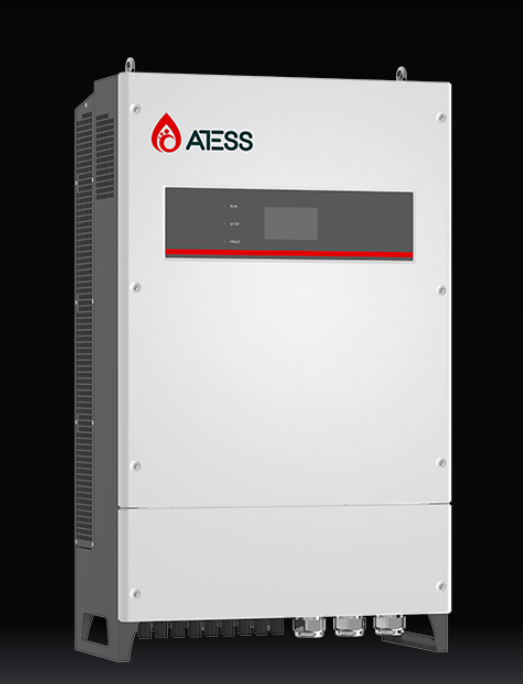
A clear comparison between a regular inverter and a hybrid inverter begins with how each handles power conversion and energy sources. A regular inverter focuses only on turning DC electricity into AC electricity for basic use, relying on a single input. A hybrid design, however, can coordinate different power sources and manage storage at the same time. Companies like Atess develop solutions that help users see this distinction more clearly, especially in systems that must stay steady under changing energy conditions. When a business considers a 30kw inverter, the goal is usually dependable conversion, while interest in a 30kw 3 phase hybrid inverter often comes from the need for flexibility and coordinated control.
How Hybrid Inverters Integrate Multiple Functions
A hybrid unit performs several roles inside one device. It handles conversion, battery management, and charging functions with built-in control features. This idea is reflected in the HPS30000TL/40000TL/50000TL models, which they design for small commercial settings. These products combine an inverter, charge controller, energy management features, and an STS that enables rapid switching for sensitive loads. In situations where a 30kw inverter is used, the focus remains on maintaining stable output. A 30kw 3 phase hybrid inverter, by contrast, adds the ability to manage power from both storage and grid sources, allowing energy to flow more smoothly across different conditions.
Practical Implications for Small Businesses
Small commercial users often rely on continuous operation, making stability and adaptability important considerations. Hybrid systems help maintain power during interruptions and provide support in areas with irregular grid performance. They also allow businesses to combine renewable generation with storage through a single integrated unit. Brands like Atess offer hybrid solutions that assist users in managing workloads without adding unnecessary equipment. Whether comparing the straightforward function of a 30kw inverter or assessing the broader control options of a 30kw 3 phase hybrid inverter, many businesses aim for systems that protect daily operations with minimal complexity.
Conclusion
The main distinction between hybrid and regular inverters lies in how they respond to multiple energy sources and handle switching tasks. A regular inverter focuses only on conversion, while a hybrid design coordinates storage, management functions, and rapid transitions. As businesses evaluate a 30kw inverter alongside a 30kw 3 phase hybrid inverter, the decision usually depends on whether they require additional management features and smoother operation during varying power conditions.