
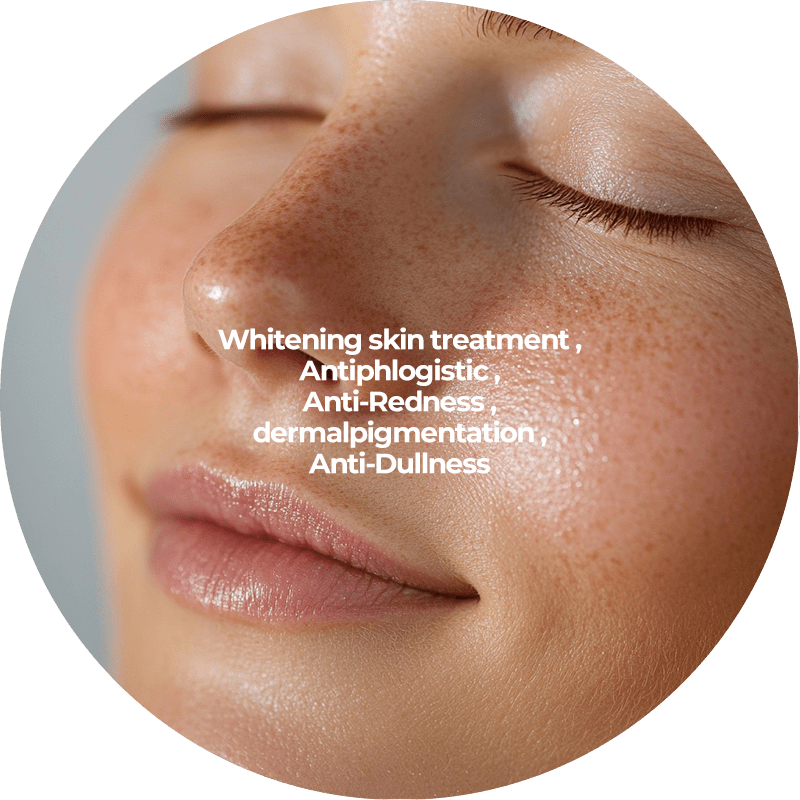
Dermatological facilities selecting light-based hardware evaluate fundamental optical physics to match device capabilities with clinical treatment goals. Integrating a high-performance IPL skin rejuvenation machine enables operators to direct non-coherent, broad-spectrum energy across multi-chromophore targets, whereas monochromatic lasers focus single wavelengths onto concentrated targets. Practice managers reviewing technology options from ENZOEYS evaluate how these distinct emission profiles impact treatment versatility, patient comfort, and operational throughput across diverse clinical workflows.
Fundamental Physics: Polychromatic Broad-Spectrum vs. Monochromatic Light
Coherent laser systems emit specific wavelengths selected to interact preferentially with target chromophores, such as melanin or hemoglobin. The focused delivery of laser energy can concentrate energy within targeted tissue areas, producing thermal or photoacoustic effects depending on the laser system.
Polychromatic pulsed systems emit broad wavelength spectrums ranging from visible to near-infrared light. Broad-spectrum emission allows light to interact with multiple skin chromophores simultaneously, providing versatile treatment capabilities across superficial vascular lesions, epidermal pigmentation, and photo-damaged skin layers.
Spectral Filtering and Precision Optical Customization
Unfiltered broad-spectrum energy contains wavelengths that can cause unwanted absorption in healthy epidermal tissue. Modern pulsed platforms overcome non-specific thermal heating by incorporating specialized cutoff filters that block unnecessary spectral bands.
Utilizing 8 changeable filters and 2 sets of finesse adapters allows practitioners to isolate specific spectral windows according to individual skin concerns. Tailoring spectral emission enables an IPL machine for skin rejuvenation to address pigmentation, vascular concerns, hair removal, and other skin-treatment needs through adjustable treatment parameters.
Target Chromophore Interactions and Dermal Tissue Effects
Monochromatic laser beams exhibit wavelength-dependent tissue penetration, with penetration also influenced by tissue properties and treatment parameters. Fixed penetration profiles suit targeted treatments, such as deep vascular coagulation or isolated tattoo removal, where specific structural intervention is required.
Broadband light platforms interact dynamically across both superficial and mid-dermal tissue layers. Polychromatic energy targets superficial epidermal melanin while simultaneously heating dermal micro-vasculature, stimulating gentle collagen remodeling and improving overall skin tone within a single session.
Energy Management Infrastructure and Pulse Stability
Maintaining consistent energy fluence across rapid treatment passes prevents thermal degradation and protects clinical efficacy. Inconsistent power delivery can lead to energy decay during extended procedures, causing variable clinical outcomes across treatment areas.
Deploying an IPL skin rejuvenation machine equipped with an advanced energy management system maintains stable power output without thermal decay. Uniform energy delivery prevents sudden fluence drops, supporting predictable therapeutic outcomes across back-to-back treatment schedules.
This stability is particularly valuable during long treatment days when the system operates continuously—without robust energy management, even minor power fluctuations can accumulate across pulses, resulting in under-treatment in some zones and overtreatment in others. By maintaining consistent output from the first pulse to the last, the system enables clinicians to deliver repeatable, reliable results regardless of patient volume or session length.
Spot Size Versatility and Anatomical Adaptation
Fixed optical spots in traditional laser handpieces can restrict treatment velocity across broad anatomical zones while remaining cumbersome on small facial contours. Swapping handpiece accessories or adjusting spot apertures preserves energy density across varied anatomical structures.
Modulating spot dimensions with specialized finesse adapters optimizes light delivery for narrow facial regions, such as periorbital or nasal zones. Adaptable light delivery structures, such as those featured in the MULA K2 BroadBand Light system, improve treatment dexterity and maintain precise light contact across challenging facial contours.
Patient Comfort Metrics and Epidermal Protection
High-energy laser procedures often induce intense localized thermal reactions, requiring external cryogenic cooling or topical numbing agents to manage patient discomfort. Concentrated energy density can cause localized redness or extended healing downtime.
Broadband photothermal platforms utilize integrated contact cooling to maintain low epidermal surface temperatures continuously during radiation. Active thermal protection mitigates superficial heat accumulation, allowing an IPL machine for skin rejuvenation to deliver effective fluence levels comfortably with minimal post-procedure recovery time.
Multi-Indication Capabilities and Facility Workflow Efficiency
Specialized laser consoles excel at dedicated clinical tasks but require facilities to invest in multiple distinct devices to cover comprehensive aesthetic menus. Acquiring single-purpose hardware increases capital expenditure and occupies significant treatment room space.
Multi-functional broad-spectrum devices consolidate diverse treatment options—including epidermal pigmentation clearing, vascular toning, and skin revitalizing—into one platform. Versatile devices like the MULA K2 BroadBand Light unit help clinics maximize equipment utilization rates and simplify staff training protocols.
Strategic Hardware Selection for Modern Practice Operations
Selecting between broad-spectrum pulsed light and monochromatic laser technology depends on a clinic’s primary patient demographic and operational goals. Facilities focusing on high-volume non-invasive skin revitalizing often favor broad-spectrum systems due to their multi-application flexibility.
Practices requiring precise structural intervention or deep vascular removal benefit from specialized laser platforms. Balancing spectral flexibility, energy management stability, and patient comfort metrics allows clinic directors to choose hardware that supports sustained operational growth.
Conclusion
Understanding the distinct physics governing broad-spectrum photothermal systems and coherent laser platforms guides clinical facilities in making sound technology acquisitions. While single-wavelength lasers perform dedicated clinical tasks effectively, versatile pulsed light systems offer broad treatment coverage for superficial photoaging and skin texture refinement. Innovations designed by ENZOEYS show how integrating changeable filters, stable energy management, and adaptable adapters supports safe, reproducible outcomes across expanding aesthetic practices.