
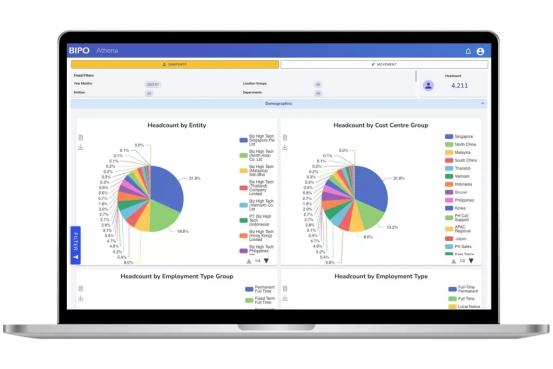
Global workforce management increasingly demands an agile approach to data that historical, static reporting simply cannot provide. When teams rely on outdated spreadsheets or monthly snapshots, they often react to events long after they occur rather than shaping outcomes as they happen. This gap in visibility creates significant hurdles for organizations aiming to maintain precise control over their human capital and operational budgets across diverse international locations.
BIPO offers a comprehensive suite of cloud-based HR and payroll solutions designed to help businesses manage their global workforce with confidence. Their platform empowers corporate HR teams by providing the BIPO HR solutions needed to transition toward data-driven operations. For HRM and HRD professionals interested in modernizing their reporting capabilities, reaching out to BIPO provides the opportunity to discuss how BIPO HR solutions can create a single source of truth for all global workforce data.
The Limitation of Lag-Time Data
Historical reporting often leaves decision-makers blind to current trends, such as shifting labor costs or sudden changes in employee turnover. When they wait for month-end reports to assess productivity or compliance, they lose the window of opportunity to intervene proactively. Using HR analytics software allows them to bypass these delays by providing a live, interactive view of their workforce, ensuring that every financial or operational decision is grounded in current, rather than archival, information.
Gaining Strategic Visibility
A primary benefit of implementing robust HR analytics software is the ability to consolidate workforce and payroll data into one unified ecosystem. Instead of piecing together disparate files, they can visualize trends in real-time, such as identifying spikes in overtime or departures within specific departments. This immediacy grants them the ability to model the financial impact of potential restructuring or hiring needs with accuracy, effectively elevating the HR function to a strategic advisory role within the wider organization.
Proactive Compliance and Optimization
Beyond basic reporting, HR analytics software serves as a vital safeguard for regulatory adherence. These systems automatically flag anomalies, such as cost variances or irregular working-hour patterns, as they occur. By identifying these issues early, they can implement preventive policies that minimize financial risk and avoid potential labor law violations. Adopting these BIPO HR solutions ensures that HR teams remain compliant while simultaneously optimizing resource allocation to support the broader objectives of the business.
In conclusion, the shift from static to real-time reporting represents a fundamental evolution in how multinational organizations operate. By adopting modern analytics platforms, they gain the clarity and foresight required to manage a global workforce effectively. This transition not only streamlines administrative tasks but also empowers them to make informed decisions that drive performance and maintain fiscal stability across all international markets.