
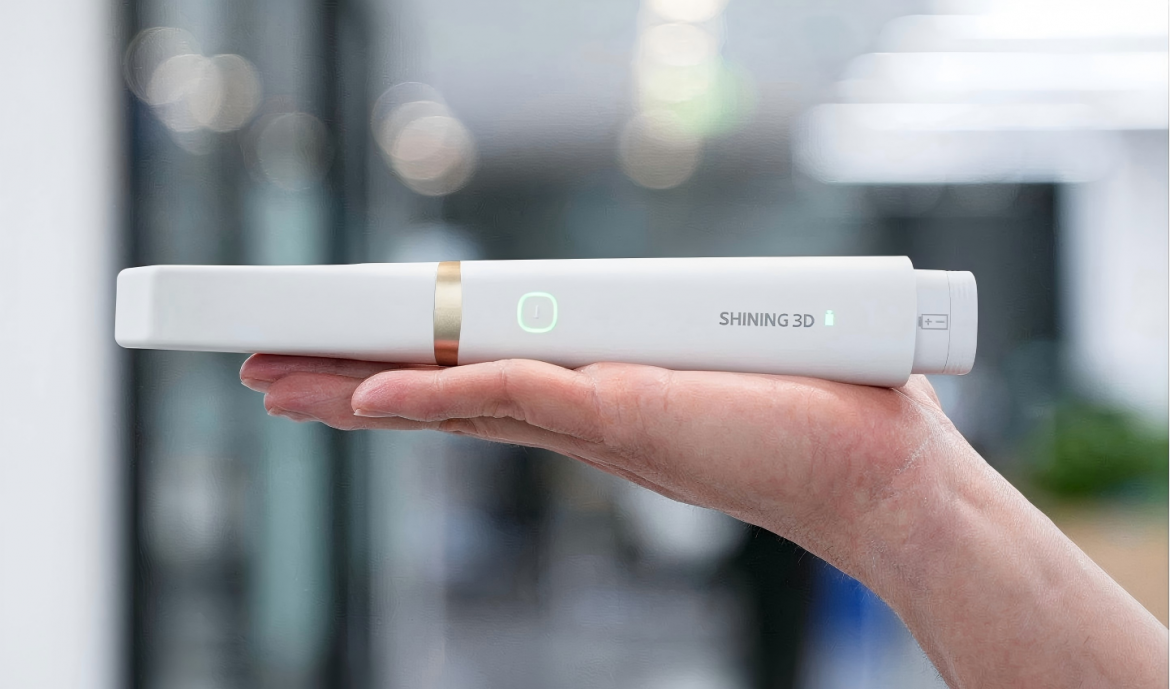
Digital technology has changed how dental professionals capture, process, and use patient data. Among these technologies, the intraoral scanner has become an important tool for practices and dental laboratories moving from conventional impressions toward digital workflows. By capturing the oral cavity and generating a three dimensional digital model, an intraoral scanner can simplify data collection while supporting applications such as restorative dentistry, orthodontics, implant planning, and CAD/CAM production.
For practices evaluating a dental 3D scanner, however, the key question is not simply whether scanning is faster than traditional impressions. It is whether the device can provide reliable data, integrate with existing workflows, and deliver a practical experience for both clinicians and patients.
What Is an Intraoral Scanner?
An intraoral scanner is a handheld device designed to capture optical data from the teeth and surrounding oral structures. The scanner uses light and imaging sensors to collect multiple images, while specialized software combines the information into a three dimensional digital model in real time.
Unlike conventional impression materials, digital scanning eliminates the need to create a physical impression as the initial record. The resulting digital file can be reviewed, stored, transferred, and used in compatible digital dentistry workflows.
This makes the intraoral scanner more than a replacement for impression trays. It functions as a digital data acquisition tool that connects clinical examination with subsequent design and manufacturing processes.
More Comfortable Data Capture for Patients
Patient comfort is one of the practical reasons dental practices consider digital scanning. Traditional impressions require impression trays and materials to remain in the patient’s mouth while the material sets. Some patients may find this process uncomfortable, particularly those with a sensitive gag reflex.
An intraoral scanner uses a handheld scanning tip to capture the oral structures without requiring conventional impression material. The clinician can also view the developing model on screen during the scanning process. This provides an opportunity to identify missing areas and rescan them immediately rather than discovering an incomplete impression later.
A more comfortable scanning process can also make digital appointments easier to manage, especially when repeated records are required for orthodontic monitoring or treatment planning.
Improve Workflow Efficiency and Data Management
A major advantage of a dental 3D scanner is the ability to create digital data that can move directly into other stages of treatment and production. Instead of handling physical impressions, teams can send digital files to laboratories or use them within compatible CAD/CAM workflows.
Real time visualization is particularly useful during scanning. If an area is incomplete or contains insufficient data, it can be identified while the patient is still in the chair. This can reduce unnecessary repetition and help clinicians maintain greater control over the quality of the captured information.
Digital records are also easier to organize and transfer than physical impressions. Depending on the software ecosystem, scanned data can support communication between clinics and laboratories and contribute to a more connected workflow.
Support a Wide Range of Dental Applications
Another consideration when choosing an intraoral scanner is versatility. A scanner may be used across multiple clinical applications rather than being limited to one type of procedure.
Common applications include orthodontics, crowns and bridges, veneers, inlays, implant planning, retainers, and digital treatment records. Intraoral scanning can also support smile design, oral monitoring, and patient education by providing a visual three dimensional representation of the patient’s oral structures.
For practices with diverse treatment requirements, this flexibility can make a scanner more useful over the long term. The appropriate device should therefore be evaluated according to the types of cases it will handle most frequently.
What Should You Look for in a Dental 3D Scanner?
Not every dental 3D scanner is designed for the same workflow. When comparing different systems, several factors deserve careful attention.
Scanning accuracy is essential because the digital model becomes the foundation for subsequent design or manufacturing. Full arch performance, bite registration, difficult-to-scan surfaces, and implant applications may place different demands on the scanner.
Scanning speed is another practical factor. Faster acquisition can shorten appointments, but speed should be considered together with data quality and ease of operation.
Ergonomics also matter. A lightweight scanner with an appropriate shape and comfortable handling can be easier to use during longer scanning procedures. Wired and wireless configurations offer different workflow considerations, so the choice should reflect the working environment.
Software capabilities should not be overlooked. Functions such as real-time scanning guidance, automatic calibration, bite scanning, additional scans, and digital workflow integration can affect how efficiently the device fits into daily operations. Current scanner ecosystems may also connect with design software, cloud platforms, and 3D printing systems.
How SHINING 3D DENTAL Fits Into Digital Dentistry
For teams exploring digital dental equipment, SHINING 3D DENTAL provides another name to consider when evaluating solutions for modern dental workflows. The most useful approach is to assess the technology based on measurable requirements rather than focusing only on headline specifications.
A practical evaluation should include scan accuracy, scanning stability, software functions, file compatibility, maintenance requirements, training needs, and integration with existing laboratory or clinical systems. It is also important to consider the total workflow rather than judging a scanner solely by its hardware.
For example, a scanner that produces accurate data but requires complicated software processes may not provide the expected efficiency in daily use. A well-designed solution should help connect scanning, data management, treatment planning, and production with fewer unnecessary steps.
Making the Transition to Digital Scanning
Moving from conventional impressions to an intraoral scanner is a workflow change as much as a hardware investment. Staff may need time to develop scanning techniques, understand software functions, and establish consistent data management procedures.
Training is therefore an important part of implementation. Operators should become familiar with scanning paths, tissue management, bite registration, and methods for checking the completed digital model. Choosing a system with clear software guidance and appropriate technical support can make the transition easier.
The right dental 3D scanner should ultimately fit the actual needs of the practice or laboratory. Accuracy, comfort, workflow compatibility, software functionality, and long-term usability all deserve consideration before making a purchasing decision.
Building a More Connected Digital Workflow
An intraoral scanner can provide value beyond replacing traditional impressions. By turning oral structures into usable digital data, it can connect patient examination with diagnosis, treatment planning, laboratory communication, CAD/CAM design, and 3D printing.
For professionals considering digital scanning, the best starting point is to identify the procedures that consume the most time and determine where digital data could simplify those processes. With the right combination of scanning technology, software, and workflow planning, solutions such as those offered by SHINING 3D DENTAL can support a more organized approach to modern digital dentistry.