
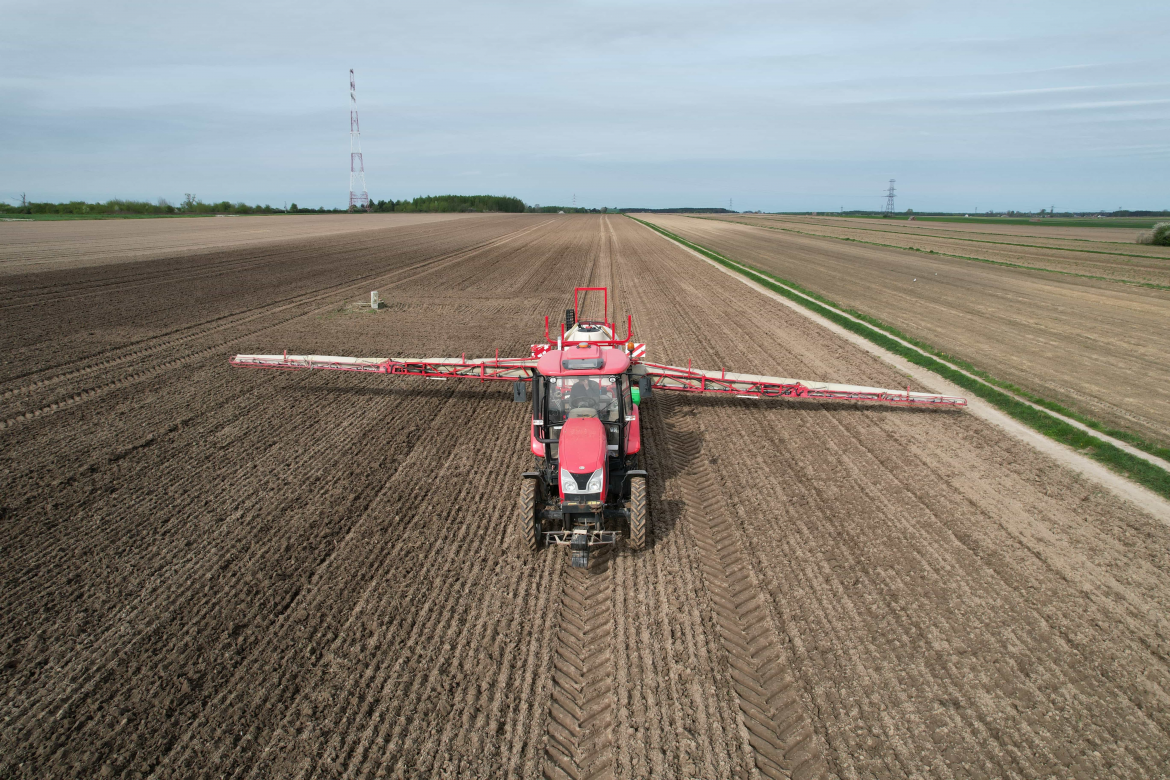
Modern tractors are used for many field operations, including planting, spraying, and harvesting. As farms become more focused on accurate operation, guidance technology has become an important tool for reducing driving errors and improving working consistency.
An RTK auto steer system helps tractors follow planned paths through satellite positioning and control technologies. Understanding the installation process can help farmers and equipment users make better decisions when upgrading their machines and adapting precision farming solutions to different field conditions.
Understanding the Basic Components Before Installation
Before installing an auto steering solution, users need to understand the main components involved. A typical system includes a GNSS receiver, display terminal, steering controller, and related sensors. These parts work together to collect positioning information and control tractor movement according to planned routes.
The GNSS receiver is responsible for receiving satellite signals. RTK technology can provide higher positioning accuracy by using correction data. The display terminal allows operators to set field routes, check operation information, and adjust system settings during work.
The steering controller connects the guidance system with the tractor’s steering mechanism. Depending on the tractor model, installation methods may include electric steering or hydraulic steering integration. The correct choice depends on machine structure and operation requirements.
Rtk Auto Steer System Installation Steps for Tractor Equipment
The first step is checking tractor compatibility. Different tractor models have different steering structures and electrical layouts. Before installation, technicians usually review the tractor model, power supply, steering type, and available installation space.
After checking compatibility, the GNSS antenna and receiver can be installed. The antenna position is important because it affects signal reception and positioning performance. It is usually placed in a location with a clear view of the sky and stable mounting conditions.
The next step involves installing the display terminal inside the tractor cabin. Operators need a clear view of the screen while driving. The terminal should also be connected correctly with the receiver and control units to allow communication between different components.
The steering control system is then installed based on the tractor’s design. Electric steering systems may require a motor installation on the steering wheel or steering column. Hydraulic systems may need connections with the tractor’s hydraulic control system. Professional installation helps maintain normal tractor operation.
Calibration and Testing After System Installation
Calibration is an important stage after hardware installation. The system needs to recognize tractor dimensions, steering response, and positioning information. Common calibration items include wheel angle, vehicle width, antenna position, and driving direction.
After calibration, field testing can be performed. Operators can check whether the tractor follows the planned route correctly and whether the steering response matches field conditions. Small adjustments may be needed to adapt the system to different tractor models or working environments.
Regular checks are also useful after installation. Connection points, software settings, and sensor conditions should be reviewed during routine maintenance. Proper management helps keep the system working consistently during agricultural operations.
How EFIX Supports Agricultural Auto Steering Solutions
With the development of precision farming, companies are creating solutions that connect satellite positioning with agricultural machinery control. EFIX focuses on agricultural positioning and automation technologies, providing auto steering solutions for tractors and other farming equipment.
Their auto steering systems include products such as eSteer20 Max, eSteer10, and eSteer Ready. These solutions are designed for different tractor applications and can support various installation requirements. Their systems combine GNSS positioning, control technology, and user interfaces to support more efficient field operations.
For equipment manufacturers and agricultural users, system flexibility is also an important factor. They provide solutions that can be integrated with different types of machinery, helping partners adapt automation technology to their equipment needs.
Factors to Consider When Choosing an Agricultural Guidance System
When selecting an auto steering system, users should consider more than positioning accuracy. Compatibility with existing tractors, installation requirements, software functions, and after-sales support are also important parts of the decision process.
Different farming operations may require different guidance functions. For example, planting operations may focus on straight-line accuracy, while spraying operations may require consistent route management across large fields. Understanding these needs helps users choose suitable equipment.
Cost planning is another factor. Farmers and equipment providers need to evaluate installation costs, maintenance requirements, and possible future upgrades. A suitable system should match current operation conditions and provide practical value over time.
Conclusion
Installing an agricultural guidance system requires careful planning, correct equipment selection, and proper calibration. The process is not only about adding new hardware but also about connecting technology with real farming tasks.
An RTK auto steer system can support tractor operations by combining positioning data with automatic steering control. When installed correctly, it can help operators maintain consistent driving paths and manage field work with greater convenience.
As precision agriculture continues to develop, tractor automation will become an important part of modern farming management. Companies such as EFIX provide technology solutions that connect GNSS positioning and agricultural machinery, helping users explore more efficient ways to operate tractors in different farming environments.