
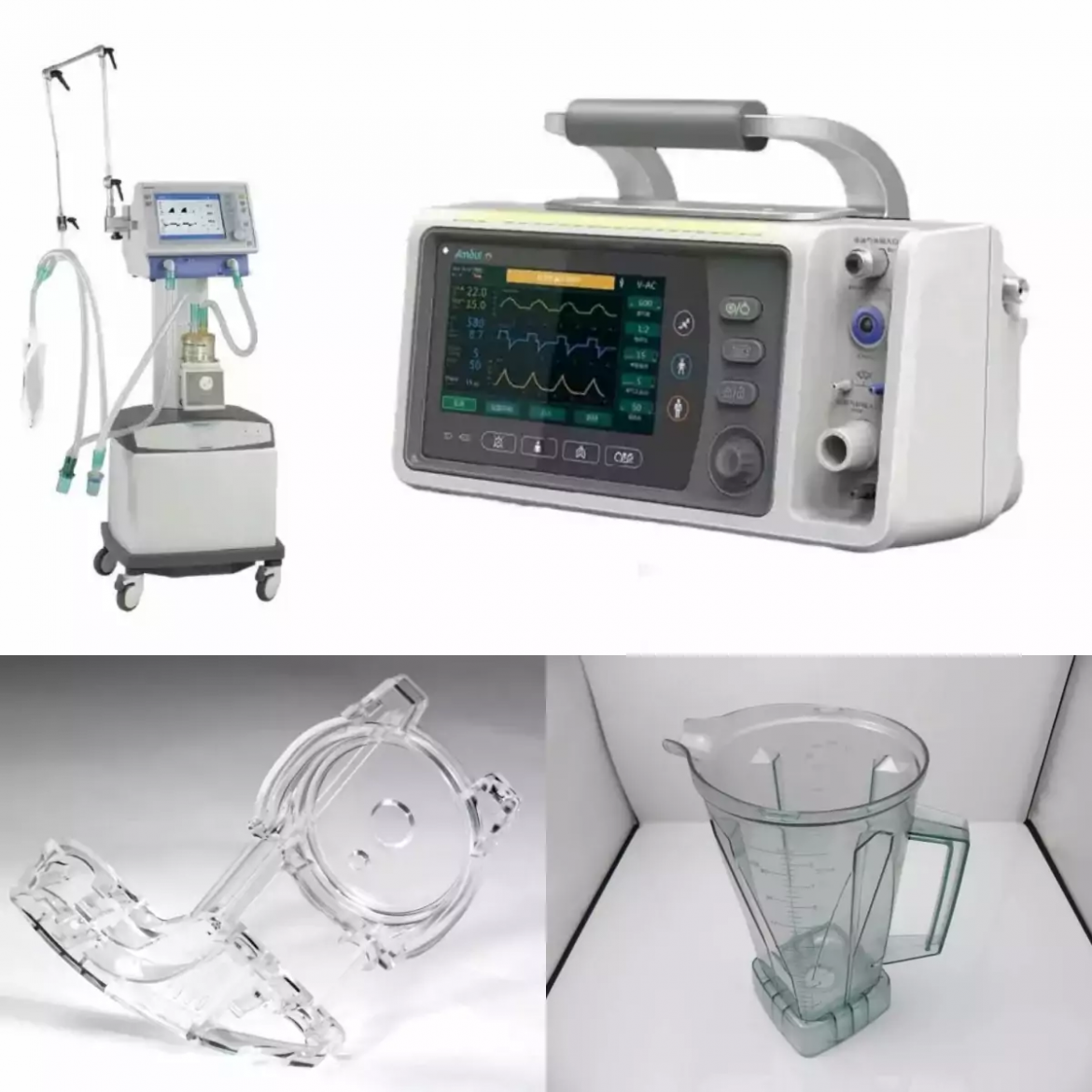
Choosing the right manufacturing partner is critical in medical device production. This article is intended for professionals evaluating medical injection molding suppliers and understanding how to select reliable medical injection molding services suppliers.
Evaluating Technical and Regulatory Capabilities
Medical injection molding suppliers must demonstrate strong technical expertise and compliance with industry regulations. This includes cleanroom manufacturing, material traceability, and validated processes.
Medical injection molding services suppliers should also provide comprehensive quality systems, ensuring consistent production performance. Certifications and standardized procedures are key indicators of reliability.
Ensuring Long-Term Production Stability
Consistency is essential in medical manufacturing. Medical injection molding suppliers must maintain stable production conditions and deliver repeatable results.
Strong communication and engineering support are also important. Medical injection molding services suppliers that collaborate closely with clients can optimize design and improve production efficiency.
Livepoint Tooling combines technical expertise with reliable production systems, supporting long-term manufacturing stability.
Building Reliable Supplier Partnerships
Selecting the right partner requires careful evaluation of both technical and operational factors. Medical injection molding suppliers play a critical role in ensuring product quality and compliance.
Working with experienced medical injection molding services suppliers such as Livepoint Tooling helps manufacturers achieve consistent and reliable results. A strong supplier evaluation should examine material traceability, cleanroom or controlled-environment capability, mold maintenance, validation records, and responsiveness during design changes. For selecting medical injection molding service suppliers, buyers should also confirm how inspection data, process documentation, and corrective-action records are managed after the first approved samples. Reliable suppliers should be able to explain how they control resin batches, dimensional variation, tooling wear, operator training, and production scheduling for regulated or quality-sensitive parts. Engineering teams should review whether the supplier can support design-for-manufacturing feedback before tooling begins, since late changes often increase cost and delay validation. Commercial teams should also check communication routines, quotation transparency, lead-time control, and after-sales support, because supplier stability affects the entire product lifecycle. Livepoint Tooling supports this process by combining precision mold design with production feedback, giving clients a clearer basis for choosing a partner that can support prototyping, validation, and long-term supply. A reliable selection process should therefore include both technical questions and business questions. The technical side covers mold precision, polymer experience, validation support, tolerance control, and inspection capability. The business side covers communication speed, confidentiality, delivery stability, cost transparency, and the ability to support engineering changes without disrupting the schedule. When these points are reviewed together, medical injection molding suppliers can be compared on practical manufacturing strength instead of price alone, which is especially important for products with long approval cycles. This broader review helps buyers avoid choosing a supplier that can make one acceptable sample but cannot maintain the same quality, documentation, and communication discipline during repeated production orders. A final selection checklist should also include contingency planning, capacity flexibility, and mold-transfer clarity, because medical programs may need stable support across several product versions and production years. These details give procurement teams a practical way to judge whether a supplier can remain reliable after the initial launch.